The traditional image of baccarat often evokes a massive, semi-circular layout surrounded by quiet crowds and structured ceremonies. However, modern physical and digital casinos have introduced compelling formats that completely change the visual setup and physical architecture of the table. By investigating these specialized table configurations, enthusiasts can uncover unique gameplay dynamics that rely heavily on physical layout modifications rather than just baseline rule twists.
The Multi Tiered Layout of Macau Style Tables
Macau-style gaming floors revolutionized the classic environment by introducing distinct physical elements built for a high-volume audience. These specialized setups feature unique tracking screens elevated above the felt layout, allowing crowds of spectators to analyze complex historical trend metrics without disrupting the active participants. The physical curved boundaries are meticulously designed to maximize seating space while providing clear views for surrounding onlookers who prefer back-betting.
Furthermore, the physical felt incorporates highly intuitive sensory zones tailored for the famous squeeze ritual where participants slowly peel back card edges. This tactile design element provides a dedicated space where individuals can manipulate physical cards under specialized overhead camera grids. Navigating these regional environments helps enthusiasts appreciate how simple physical layout adjustments can turn a quiet card activity into a deeply interactive public spectacle.
The Integrated Digital Felt of Hybrid Interactive Formats
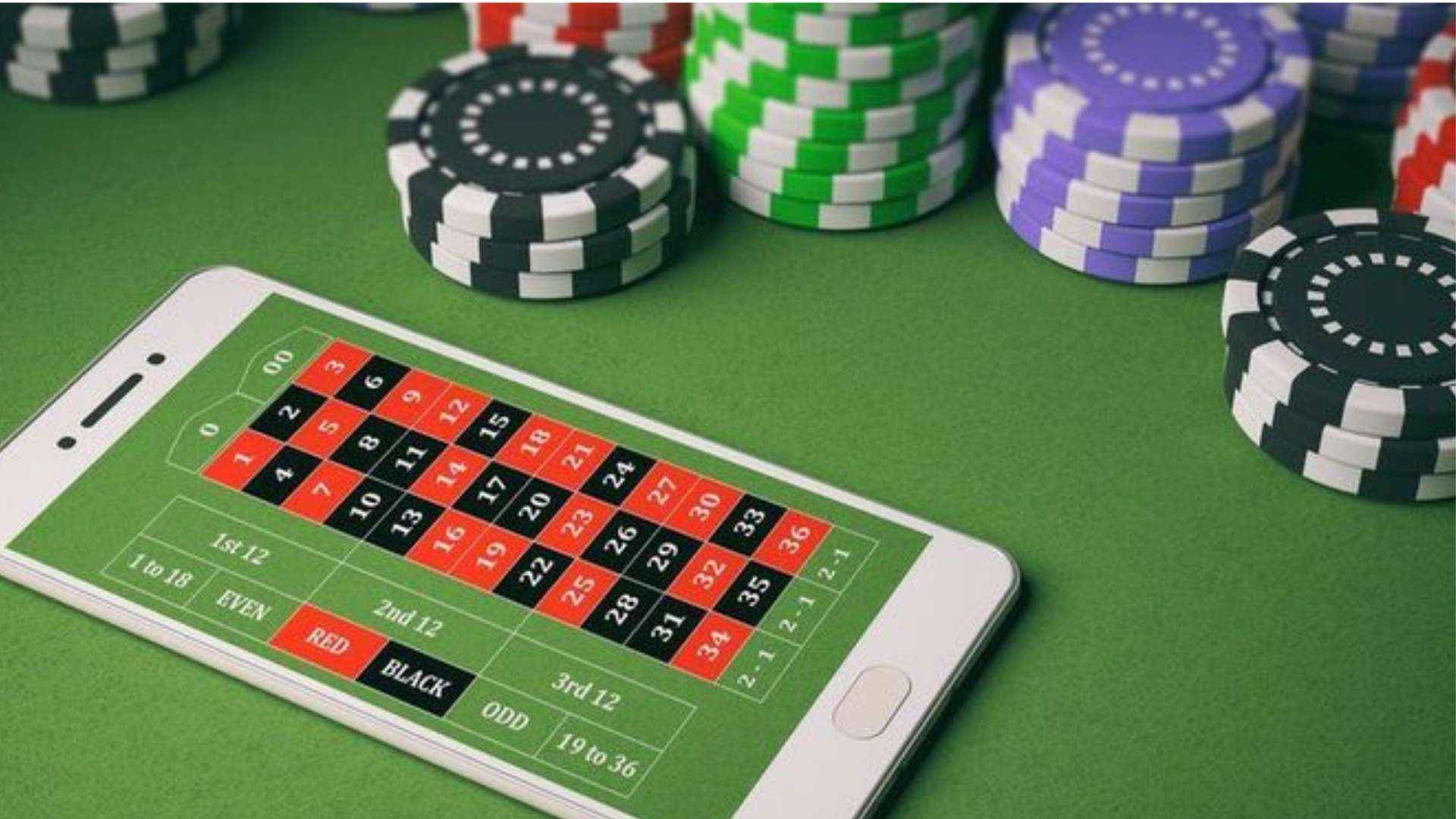
The rise of modern gaming entertainment has birthed innovative hybrid tables that seamlessly fuse heavy wooden furniture with high-definition touchscreens. In these contemporary setups, the physical dealer sits at a central hub while participants position themselves at independent electronic terminals arrayed in a wide perimeter. This physical separation eliminates standard space constraints and allows dozens of individuals to safely access a single physical shoe at the same time.
The digital felt surface updates dynamically to display individualized betting options, special custom side wagers, and customized commission indicators based on real-time activity. Finding a reliable platform to explore these technical advancements is highly straightforward, and using a verified link m88 ensures secure access to premium tables featuring state-of-the-art live streaming interfaces. This technical blueprint successfully minimizes standard human sorting delays while preserving the authentic charm of real card interactions.
Streamlined Geometry in Mini Baccarat Configurations
Mini baccarat represents an intentional downsizing of the grand traditional layout into a fast-paced format that favors efficiency and casual entertainment. The physical table matches the approximate dimensions of a standard blackjack layout, accommodating a smaller group of players and utilizing a single professional dealer who manages all tasks. By completely removing the large double-sided betting arcs, this configuration creates a highly focused environment where outcomes are decided in seconds.
The simplified geometric layout ensures that participants can easily reach all primary betting zones without stretching across expansive felt areas. Additionally, the dealer manages the shoe directly from a compact tray system, which eliminates the traditional physical ceremonies associated with passing a moving shoe among participants. This physical optimization serves as the ideal choice for individuals who prefer structural clarity combined with continuous, high-volume action.
The Dual Sided Architecture of Classic European Layouts
Classic European versions like Baccarat Banque present a fascinating physical architecture that completely contrasts with standard modern formats. The physical structure features an expansive layout split down the center into two completely separate playing wings, known as the left and right banks. The dealer occupies a permanent central seat between these wings, distributing cards symmetrically to both sides of the long rectangular felt.
This distinct physical configuration allows two separate groups of participants to wager against a singular central bank simultaneously during extended strategic sessions. The physical placement of the chips and the distinct boundaries of each wing require absolute precision from the managing croupiers to maintain table integrity. Exploring this historical architecture reveals a deep level of institutional design that continues to attract collectors and traditional purists worldwide.